Must See Regions in Romania
Romania is a country rich in contrasts — from medieval castles and fortified churches to pristine mountains and warm hospitality. Each region has its own charm and story to tell. Here are four of the most beautiful areas every visitor should explore.
Transylvania
A land of legends and breathtaking landscapes.
Transylvania is Romania’s most famous region, known for its dramatic landscapes, fortified towns, and mysterious legends. Visit Bran Castle, often linked to the Dracula story, or explore the charming cities of Brașov, Sibiu, and Sighișoara. Beyond its folklore, Transylvania offers mountain hikes, traditional villages, and rich cultural heritage.
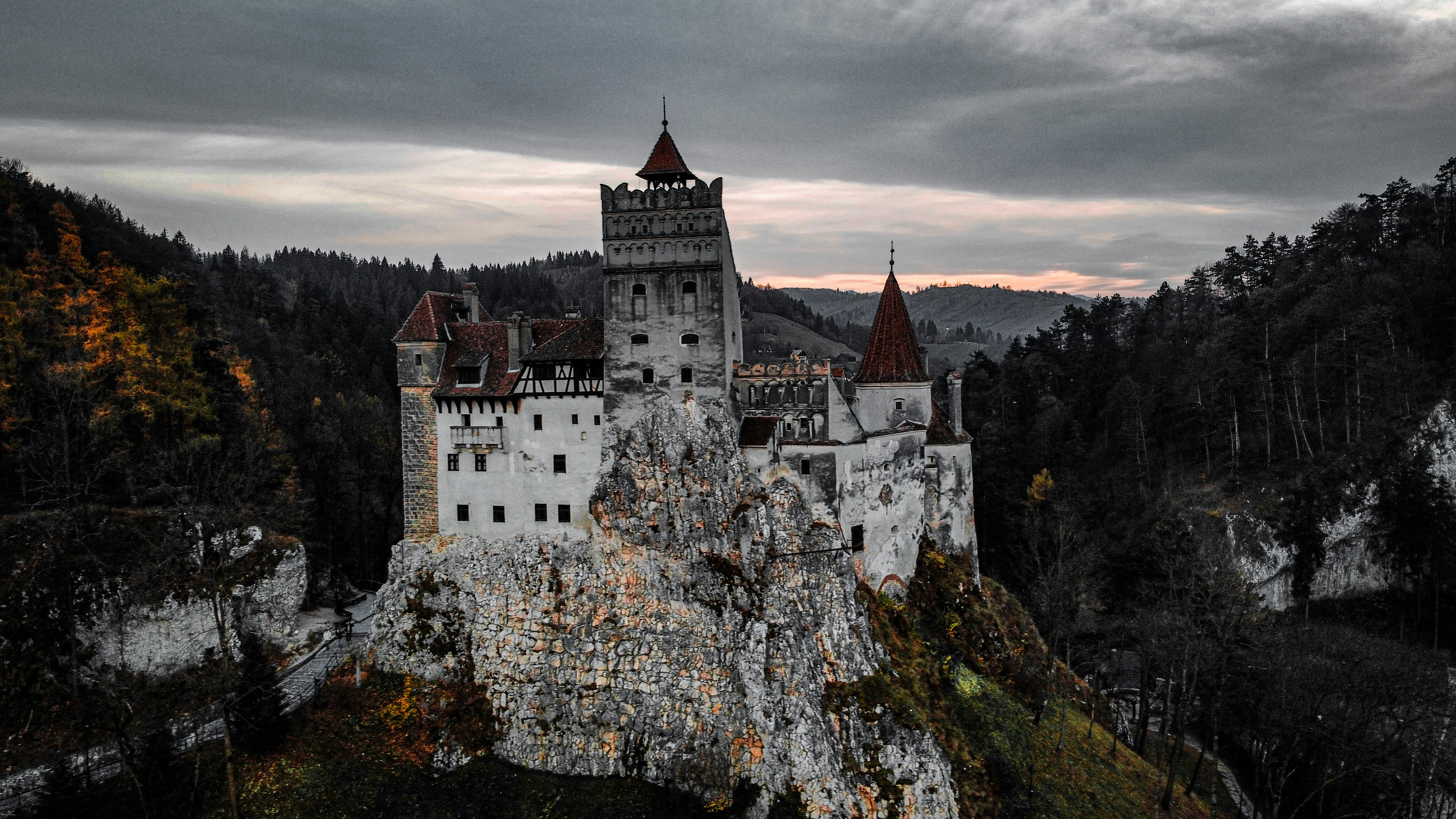
Bran Castle:
Often eferred to as "Dracula's Castle", Bran Castle represents one of the most famous landmarks in Romania. Dramatically perched atop a rocky hill near Brașov, it dates back to the 14th century and was once an important fortress used to guard the borders of Transylvania. Narrow staircases, secret passages, and Gothic towers stir mystery and fascination. There is no historical evidence related to the castle and Vlad the Impaler, who was the real-life inspiration for Dracula. However, the legend still draws visitors from all over the world. Inside, Bran Castle houses a museum of royal furniture, medieval armor, and art collected by Queen Marie of Romania. Nestled among forests and mountain views, it perfectly brings together history, folklore, and romance to make any Romanian adventure incomplete without a stop here.
Sibiu:
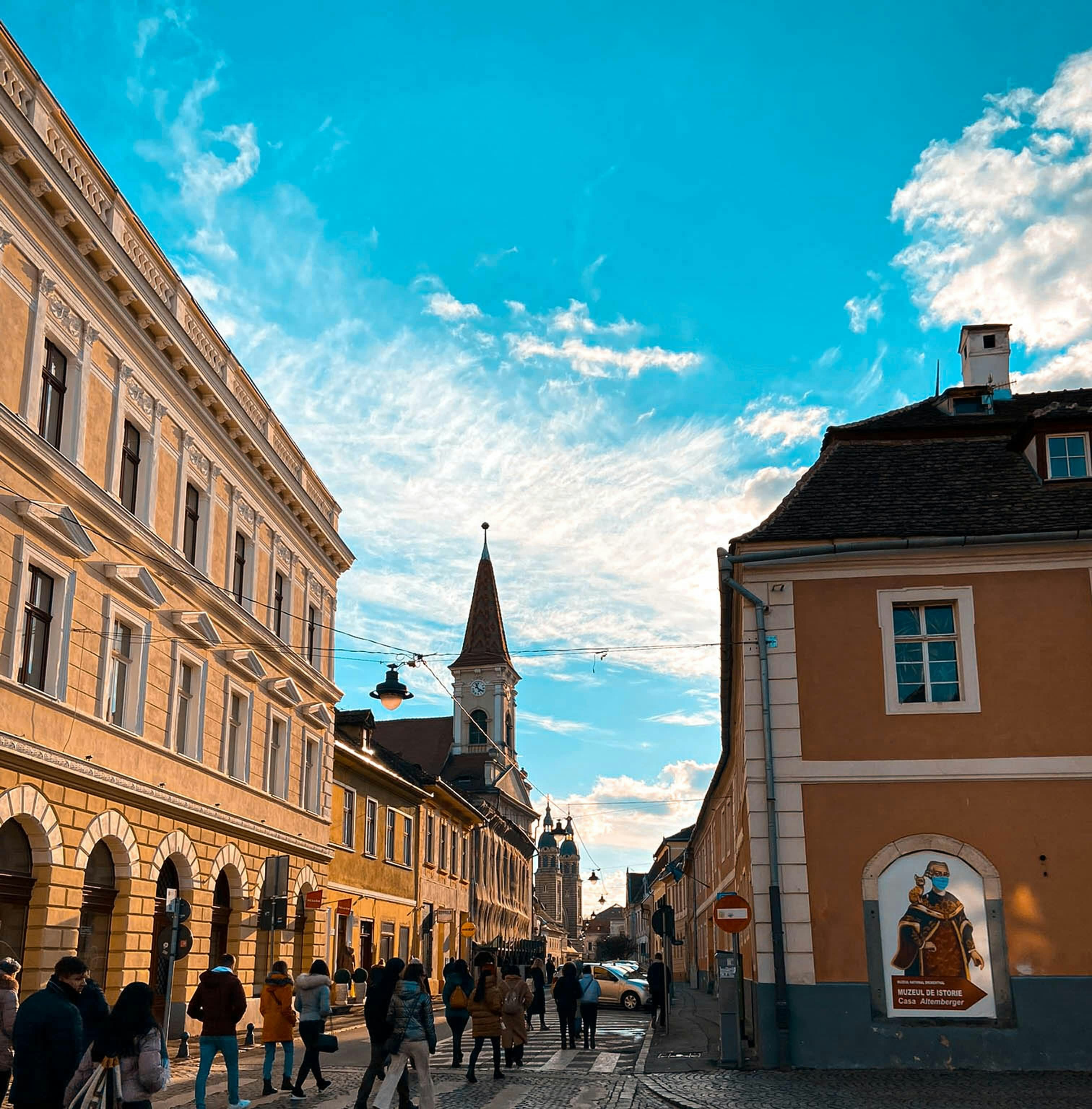
Sibiu is one of Romania's most charming and culturally rich cities, with its beautifully preserved medieval architecture and welcoming atmosphere. Once the capital of Transylvania, Sibiu was heavily influenced by Saxon settlers, giving it a distinctive European feel with cobbled streets, colorful houses, and grand squares. The city's Old Town is a candidate for a UNESCO World Heritage Site, featuring the Council Tower, the Brukenthal Palace, and the Large Square. Sibiu is also famous for its "houses with eyes"-the historic rooftops with their characteristic dormer windows appear to be watching passersby. As the European Capital of Culture in 2007, Sibiu has become host to a great number of festivals, art exhibitions, and food markets throughout the year. Its mixture of tradition, creativity, and modern comfort makes it a must-see destination for both culture enthusiasts and history lovers alike.
Maramureș
Where time stands still and traditions thrive.
Maramureș is often called the “living museum” of Romania. Here, time seems to stand still among wooden churches, rolling hills, and traditional villages where locals still wear folk costumes. The region is home to UNESCO-listed wooden churches and the unique Merry Cemetery in Săpânța, famous for its colourful and humorous tombstones. Maramureș offers a glimpse into rural life and age-old customs that have been preserved for centuries. The region’s stunning landscapes, with lush forests and gentle rivers, make it a perfect destination for nature lovers and those seeking tranquility.
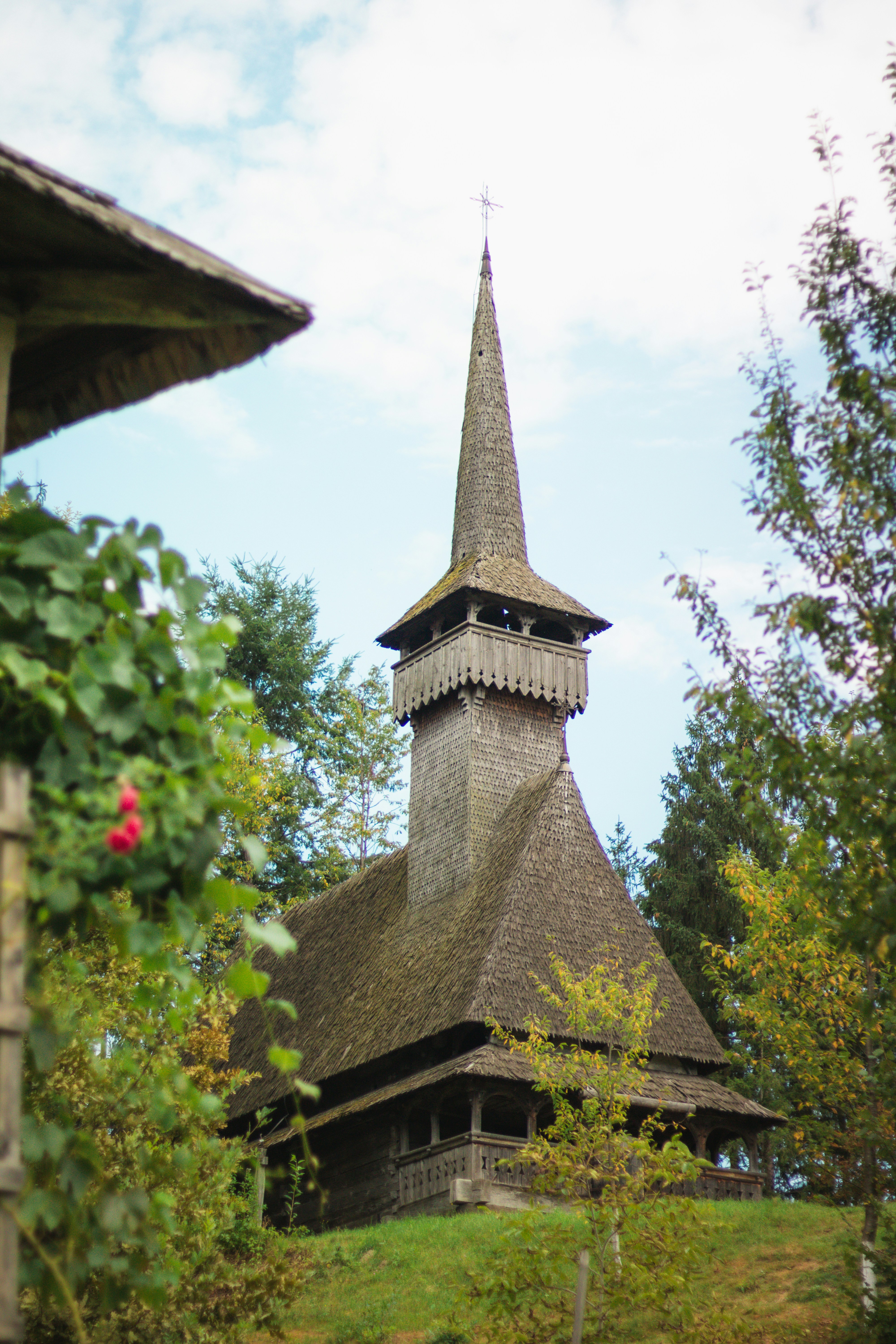
Wodden Churches of Maramures:
The Wooden Churches of Maramureș are the surprising testimony to wealthy cultural and religious heritage of the region. The churches, constructed between the 17th and 19th centuries are widely known for their unique architectural style dominated by tall, slender bell towers and detailed wood works. Made wholly of wood without skillfully employing nails, these churches manifest the outstanding skills of local craftsmen. Most of them are decorated with frescoes and religious icons inside and outside, testifying to the deep spirituality Maramureș community traditions. Being recognized as UNESCO World Heritage Sites, these wooden churches not only serve as places of Worship but also as cultural points of interest that draw visitors from The folklore around the world has given a peek into the harmonious unity of faith, art, and nature that defines Maramureș.
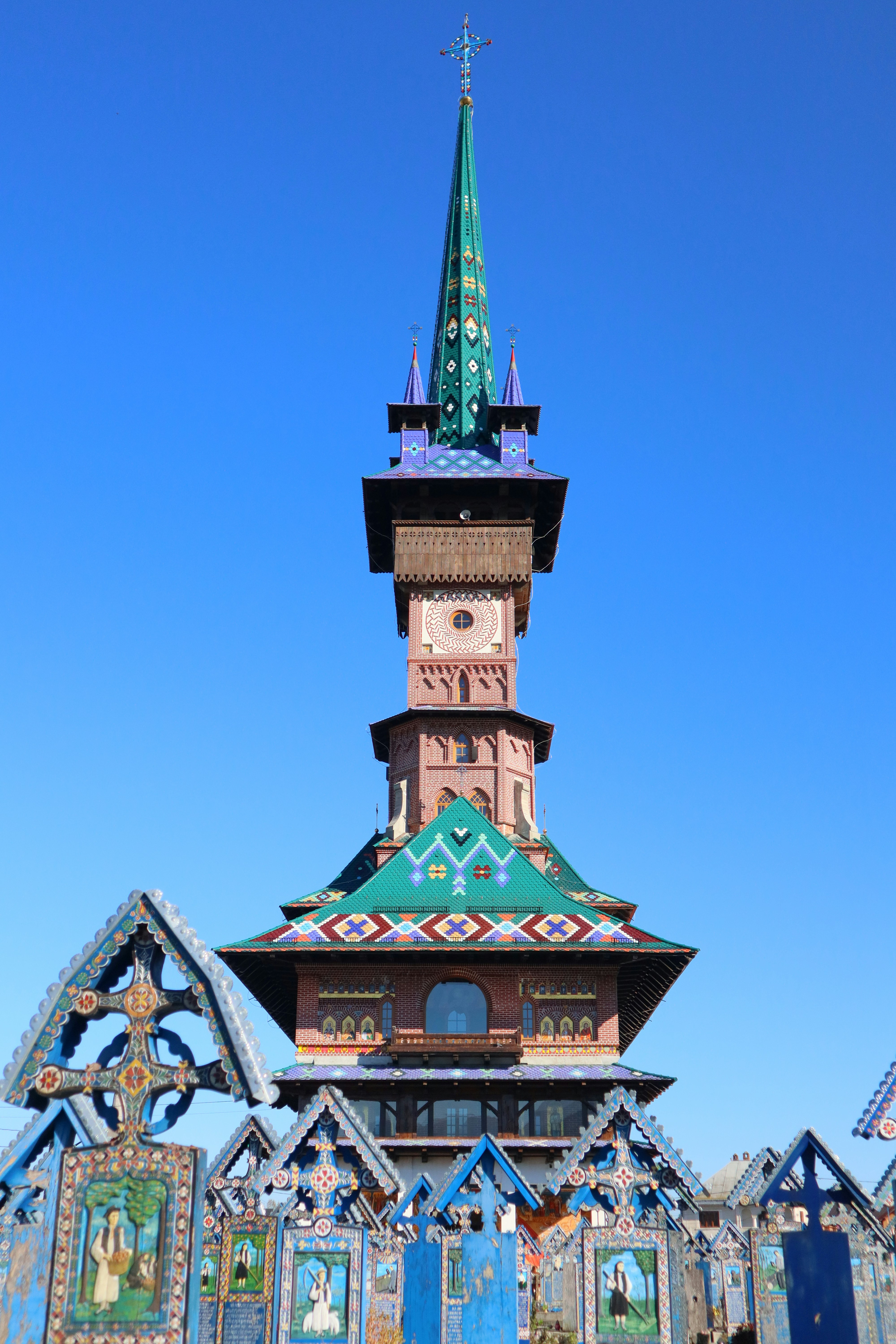
Merry Cemetery:
The Merry Cemetery in Săpânța, Maramureș, is one of Romania's most unique and captivating cultural monuments. Different from traditional cemeteries, the Merry Cemetery is famous for its brightly colored tombstones. adorned with vivid paintings and humorous epitaphs celebrating the lives of the dead. Each tombstone narrates its own tale, mostly displaying scenes of this individual's life, their occupation, or hobbies and even the manner of their death, all portrayed in a light-hearted and sometimes humorously. This rather unconventional approach to remembering the dead reflects in the local belief of celebrating life rather than mourning. death. The cemetery was made by the local craftsman Stan Ioan Pătraș in 1930s and today is one of the great tourist draws of the city. visitors from all over the world, eager to see its gay coloured it lends a different perspective on death. The Merry Cemetery bears testimony to are rich folk traditions, and an independent cultural identity of Maramureș.
Bucovina
A spiritual region painted in colour and peace.
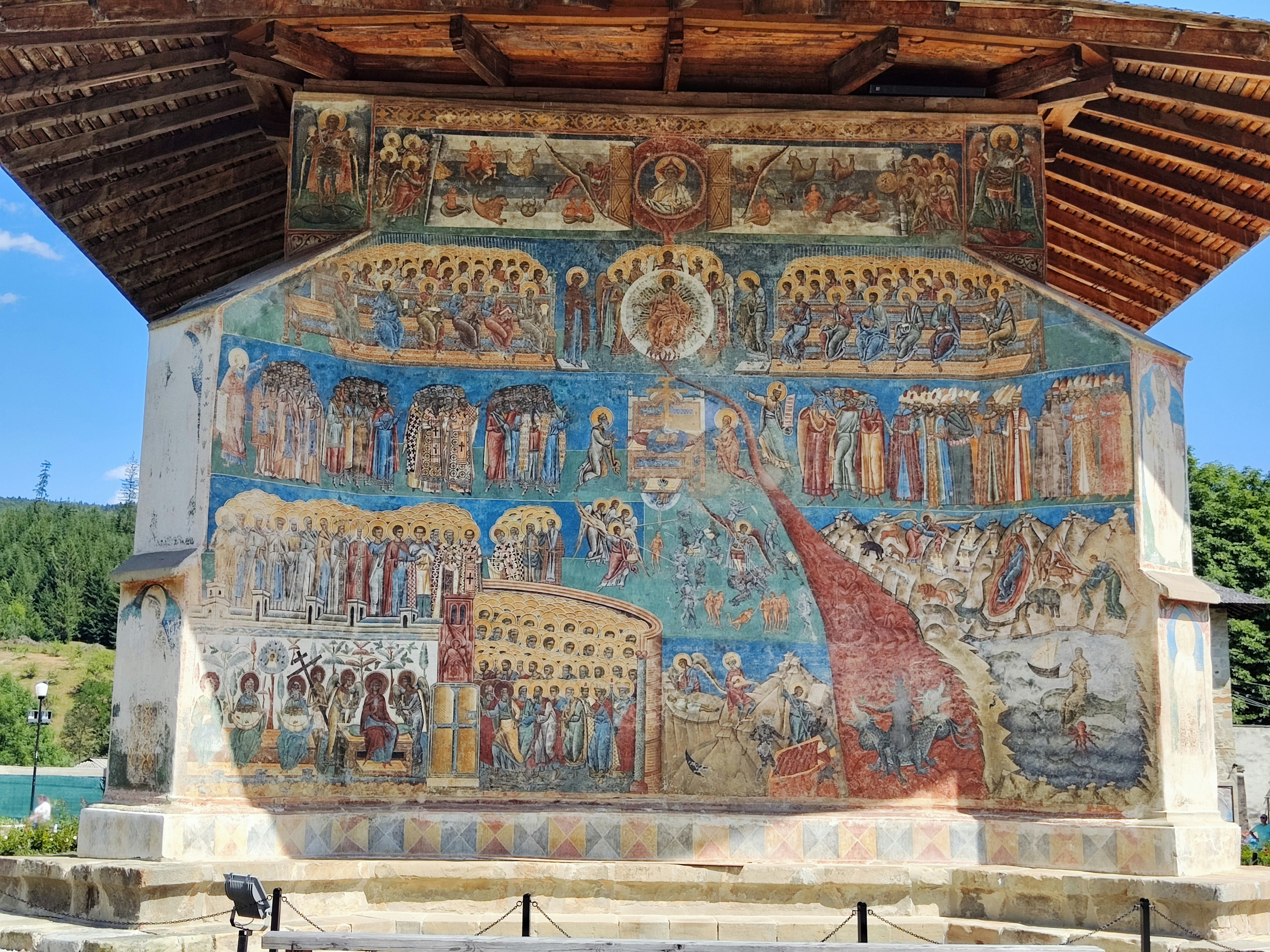
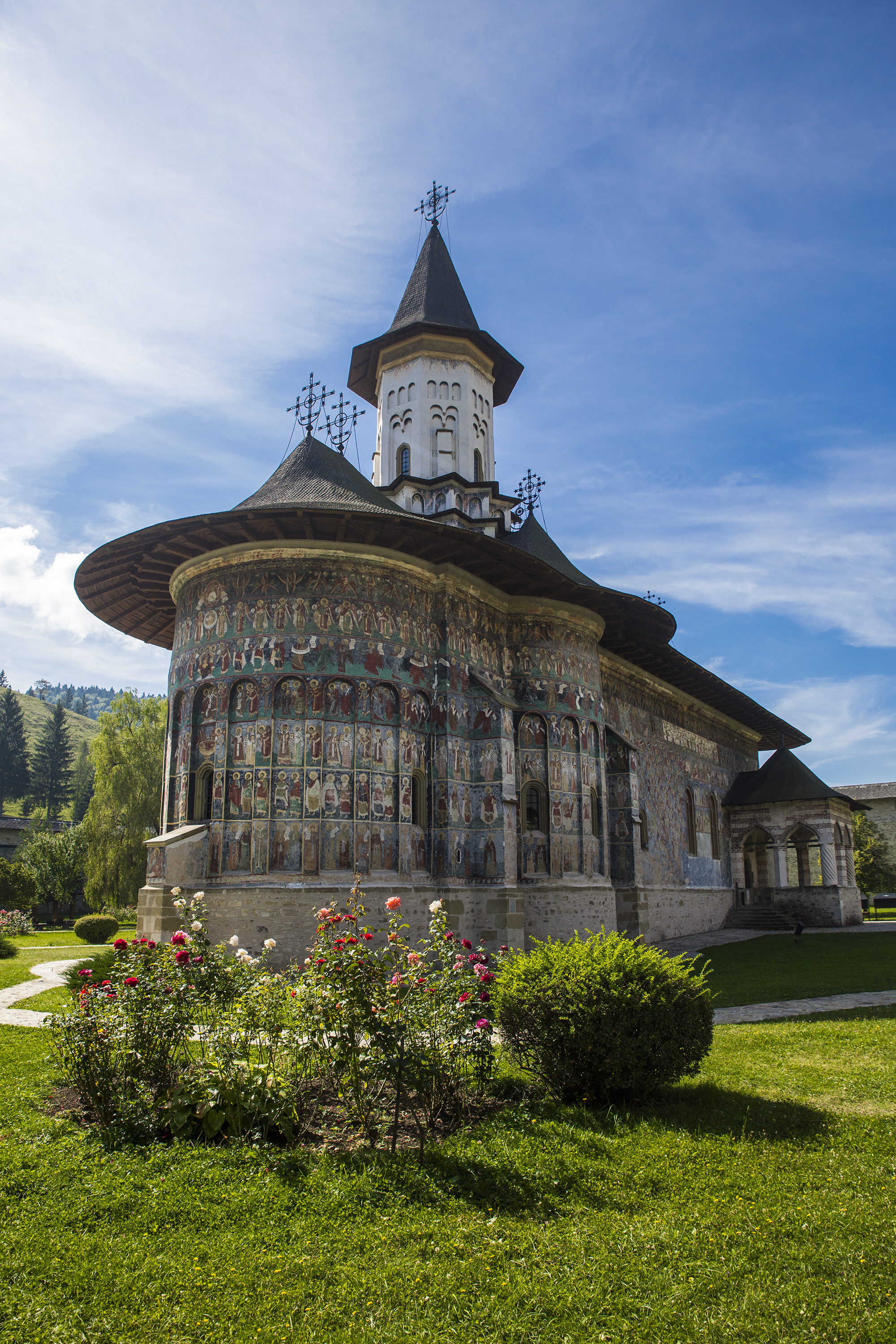
Bucovina, located in northern Romania, is best known for its painted monasteries with colourful exterior frescoes that date back to the 15th and 16th centuries. The region offers peaceful mountain scenery and warm hospitality. Monasteries such as Voroneț, Sucevița, and Moldovița are considered masterpieces of Byzantine art and are part of the UNESCO World Heritage List. Bucovina is also famous for its traditional crafts, folk music, and vibrant festivals. It is a place where spirituality and culture come together in harmony, making it a must-visit destination for those interested in history and art.
Painted Monasteries of Bucovina:
The Painted Monasteries of Bucovina are among Romania's most treasured. traditional and religious monuments. These monasteries, built during the 15th and 16th centuries, host exterior frescoes that are very famous. which vividly depict the biblical scenes, saints, and religious themes in unique style, blending Byzantine and Gothic tendencies. The most The most famous of these monasteries include Voroneț, Sucevița, Moldovița, and Humor, each with its own detailed artwork that has miraculously survived the test of time. Frescoes are not only important for their artistic value but also for educative purposes among the local people. population about Christian teachings at a time when literacy was are limited. Recognized by UNESCO as World Heritage Sites, the Painted Monasteries of Bucovina continue to attract visitors from around the world who come to marvel at their beauty and spiritual significance.