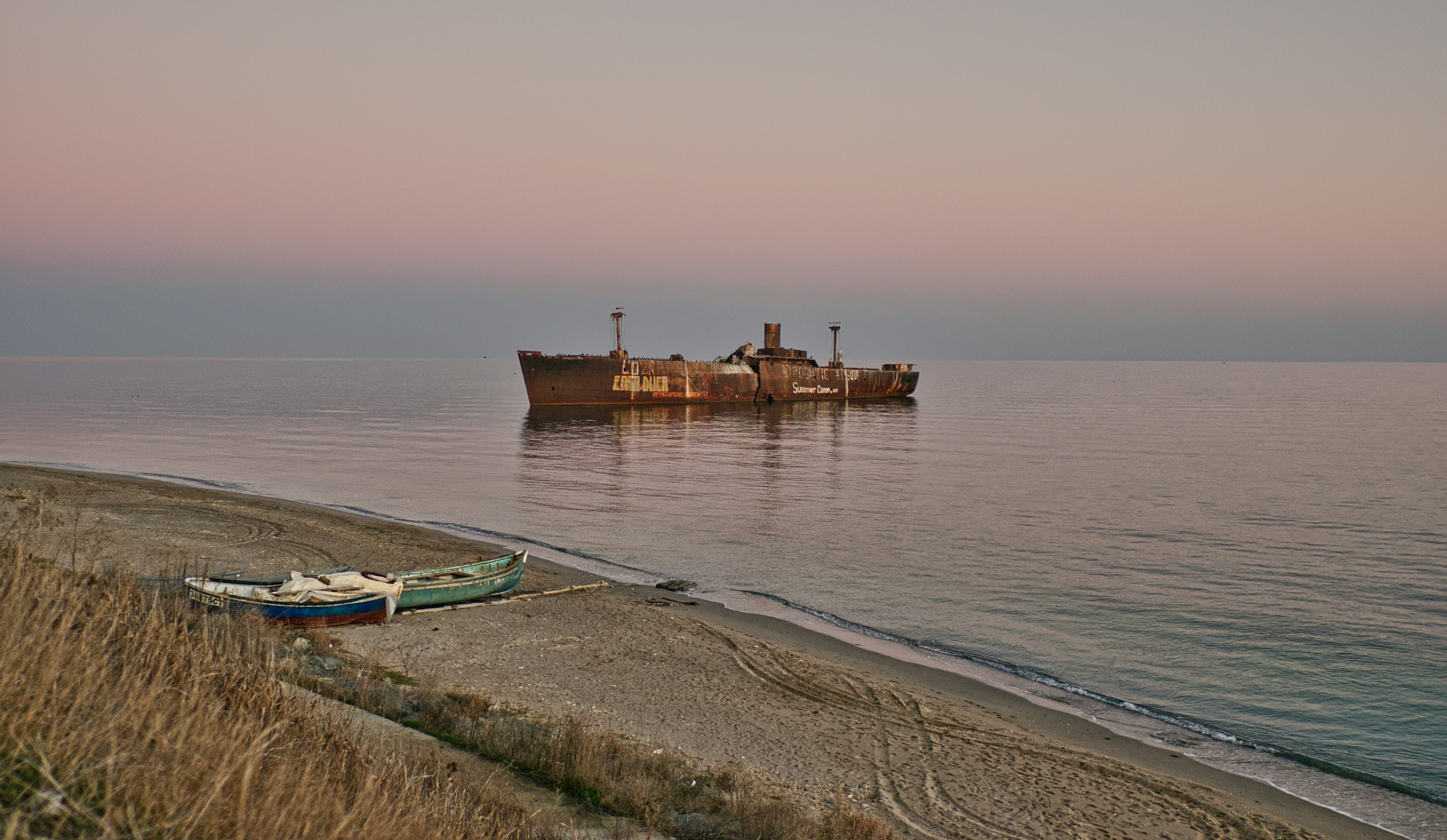
Romania’s Natural Beauty and Wild Landscapes
Among the most beautiful countries anywhere in Europe, Romania combines elements of majestic mountains, quiet countryside, untouched forests, and unique wildlife. Nature lovers can go to see dramatic peaks, rolling hills, and peaceful lakes, while discovering some of the continent's best-preserved ecosystems. From the Carpathian Mountains to the Danube Delta, Romania's diversity of landscapes provides limitless opportunities for outdoor adventure and relaxation. Whether you're hiking rugged trails, bird watching in the wetlands, or sunbathing on the Black Sea. From the delta's wetlands to the shores of the Black Sea, Romania is filled with natural wonders that will surely delight and awe.
The Carpathian Mountains
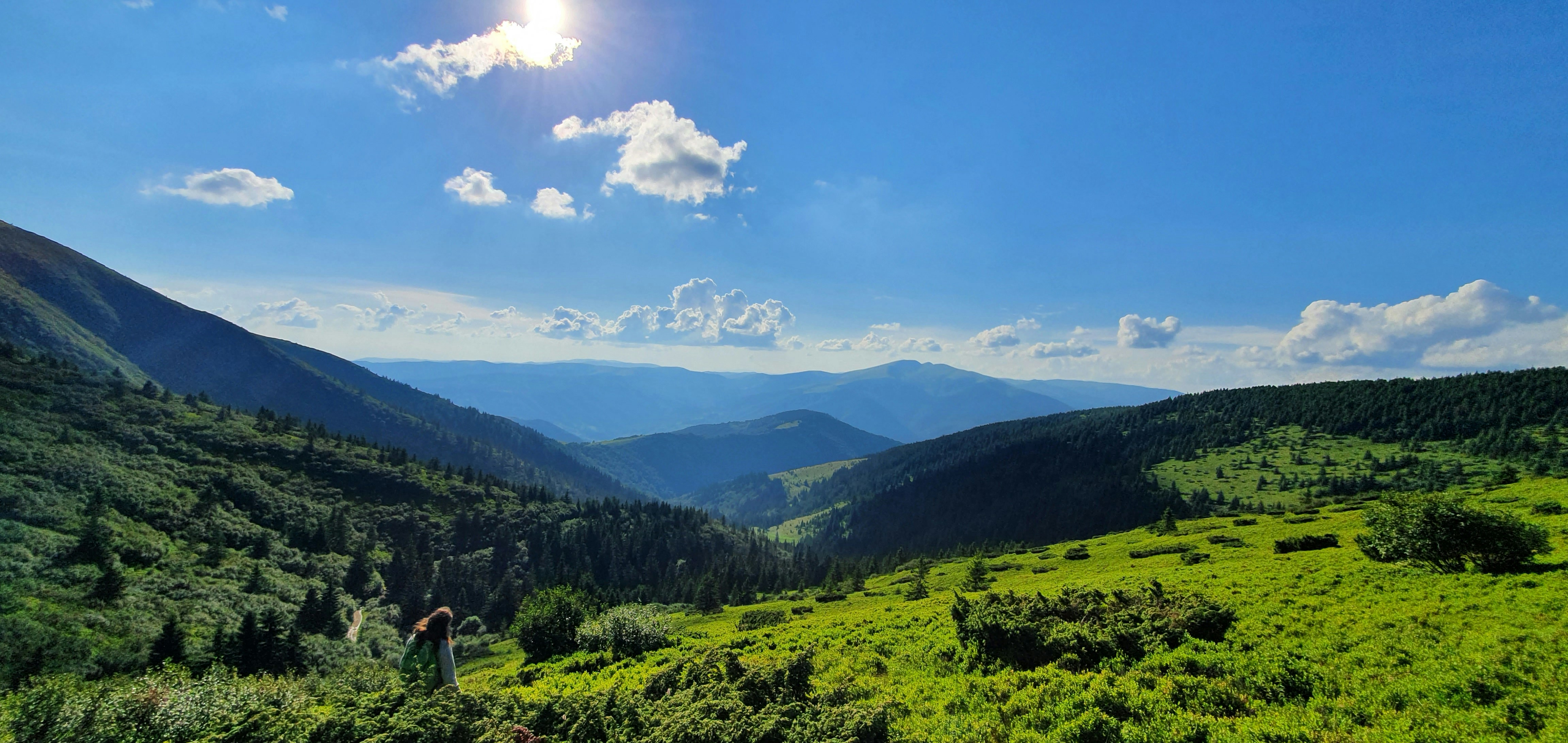
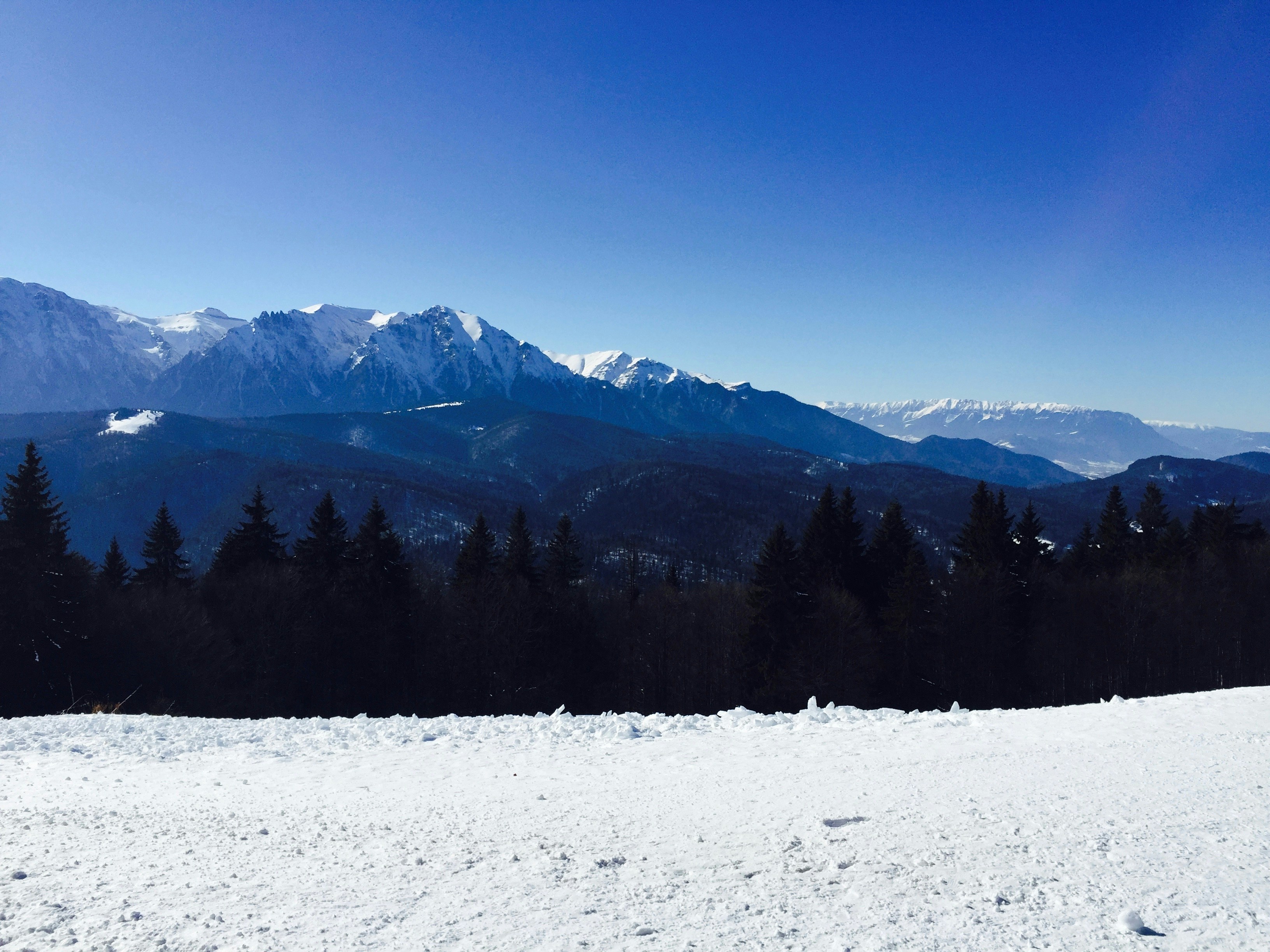
The Carpathians stretch across the heart of Romania, forming a natural backbone for the country. They are home to dense forests, alpine meadows, and rare animals such as bears, wolves, and lynxes. Popular destinations include Brașov, Râșnov, and Sinaia, where hiking trails, mountain resorts, and cable cars provide stunning views all year round. In winter, the ski slopes of Poiana Brașov attract visitors from across Europe. It’s a paradise for outdoor enthusiasts, whether you’re into hiking, skiing, or simply enjoying the fresh mountain air.
The Transfăgărășan Road
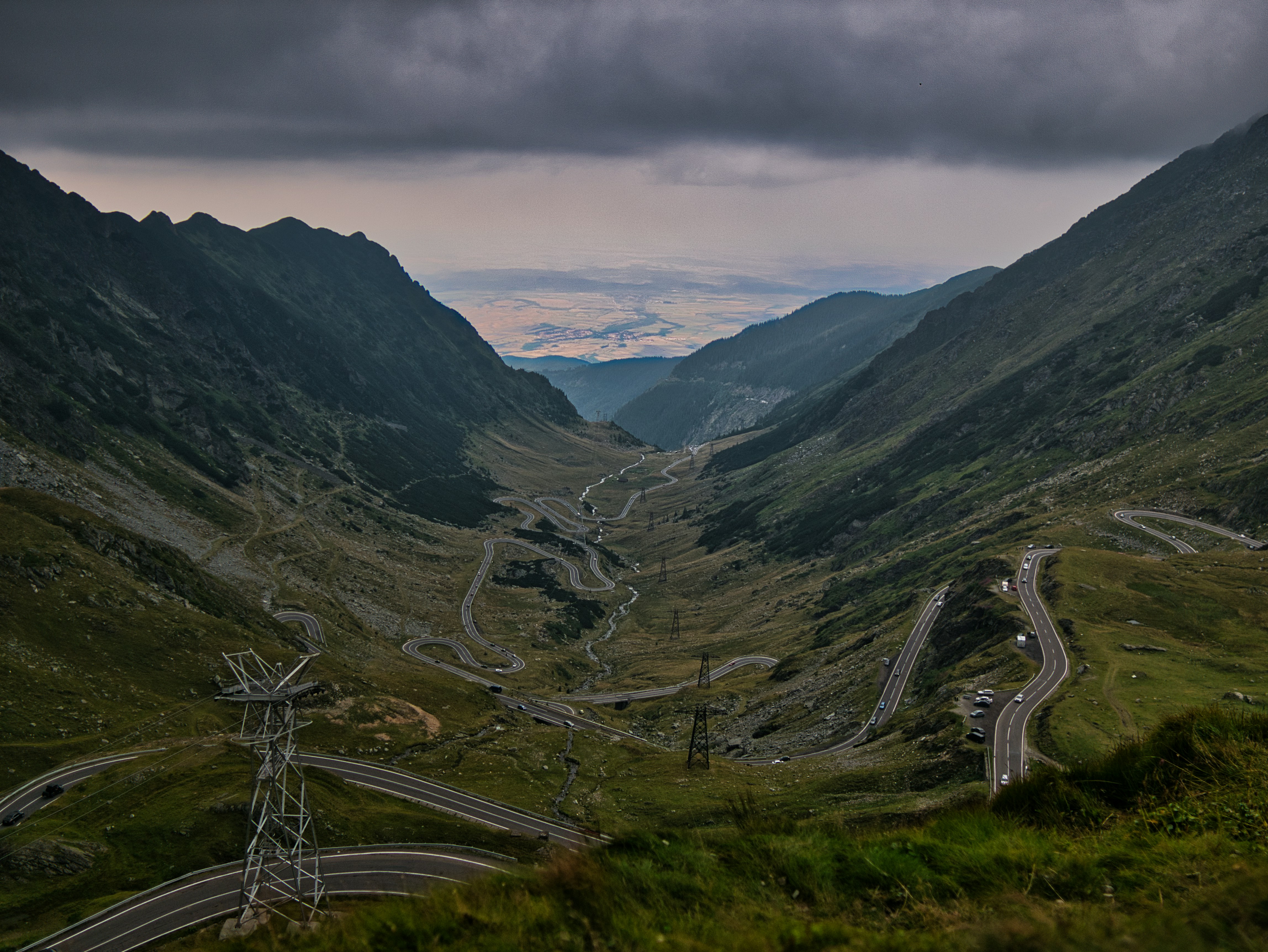
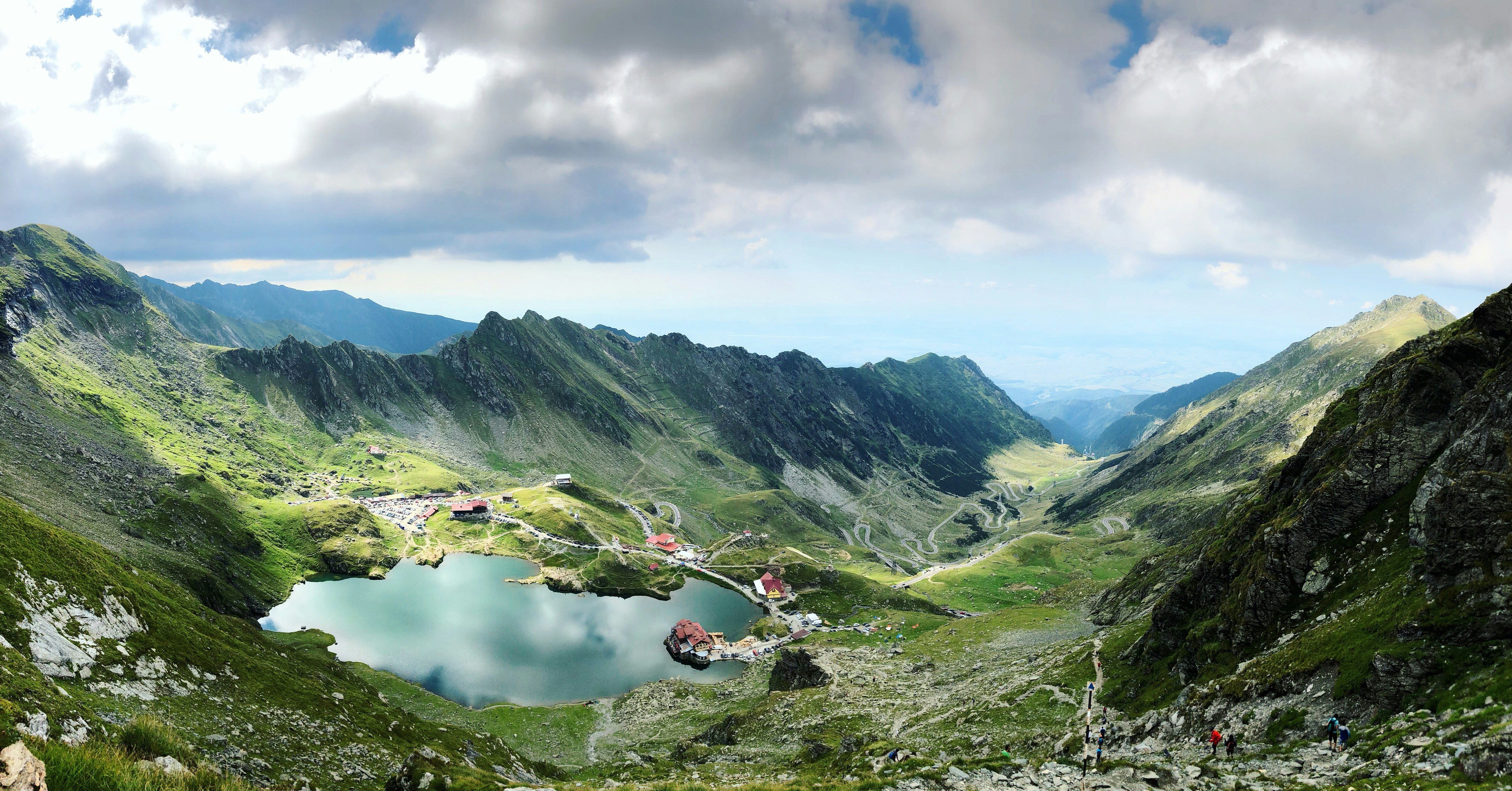
The Transfăgărășan Highway is often called one of the most spectacular roads in the world. Winding through the Făgăraș Mountains — the highest peaks of the Southern Carpathians — it connects Transylvania with Wallachia and offers breathtaking views, hairpin turns, and mountain lakes. Built in the 1970s, the road reaches an altitude of over 2,000 meters and passes near the beautiful Bâlea Lake. It’s a must-see for anyone visiting Romania, especially during the summer months when the road is open to traffic. Because of its high altitude and steep sections, the Transfăgărășan is often closed in winter—plan your visit between late spring and early autumn. Along the route you can stop at scenic viewpoints, explore hiking trails around Bâlea Lake, visit the nearby Vidraru Dam, or descend into the glacier cave. The dramatic hairpin turns and long viaducts make it a photographer’s dream, but drivers should take care, allow extra time for slow-moving vehicles, and check local weather and road conditions before setting out.
The Danube Delta
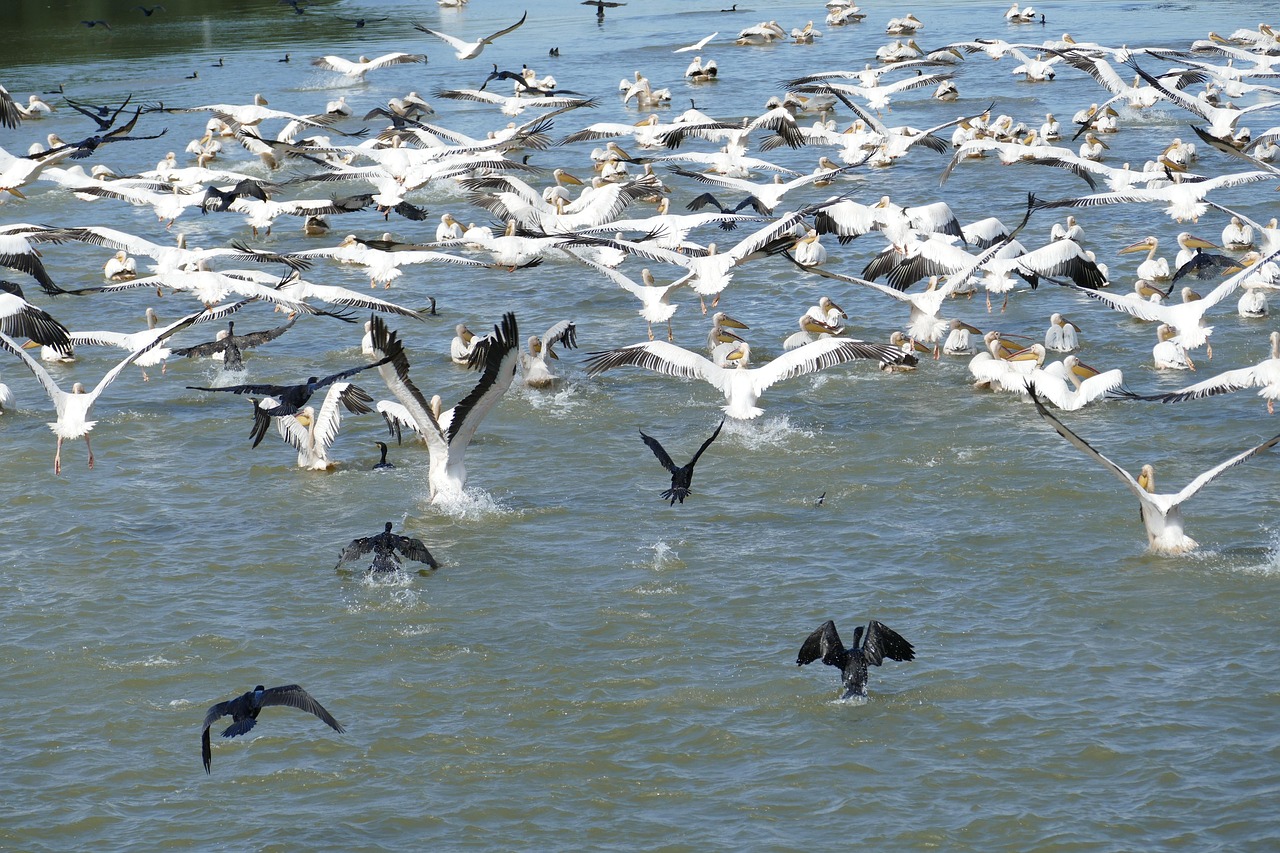
The Danube Delta, where Europe's second-longest river meets the Black The Sea is one of the most biodiverse regions in the continent. This UNESCO World Heritage Site is a haven for birdwatchers and nature. photographers alike, but numbers over 300 bird species and countless fish and plants. varieties. Taking a boat ride through its tranquil waterways and floating Reed Islands are a peaceful way to discover Romania's wild and serene side, too. Tourists can visit traditional fishing villages, hike nature trails, and enjoy fresh seafood caught right from the delta. The best periods to visit the beach fall during spring and autumn migrations when Birdlife is at its best. The most popular access is by guided boat tours that tour the delta to afford travelers passage through its labyrinth watercourses. hours of channels and lakes with spotting wildlife. Remember to bring insect repellent - mosquitoes can be common in the summer months.
The Black Sea Coast
Romania’s coastline stretches for about 245 kilometres along the Black Sea, offering sandy beaches, seaside resorts, and vibrant summer nightlife. The city of Constanța combines history with modern charm, while resorts like Mamaia and Vama Veche attract both families and young travellers. Visitors can relax on the beach, and enjoy fresh seafood at waterfront restaurants. The Black Sea coast is perfect for a summer escape, with warm weather from June to September. Popular beach destinations such as Neptun, Eforie Nord, and Costinești offer a mix of lively entertainment and nightlife, as well as quieter spots for relaxation.