The Taste of Romania
Romanian cuisine is a delicious blend of local ingredients, ancient recipes, and regional influences. Its roots come from the Balkans, Central Europe, and the East, but it has developed a distinct identity — rich, hearty, and filled with comforting flavours. Every dish tells a story, and food is an essential part of Romanian hospitality and celebration. From traditional village fare to modern interpretations in city restaurants, Romanian food offers something for every palate. Gourmet and casual diners alike will find plenty to savour in this diverse culinary landscape.
Traditional Dishes
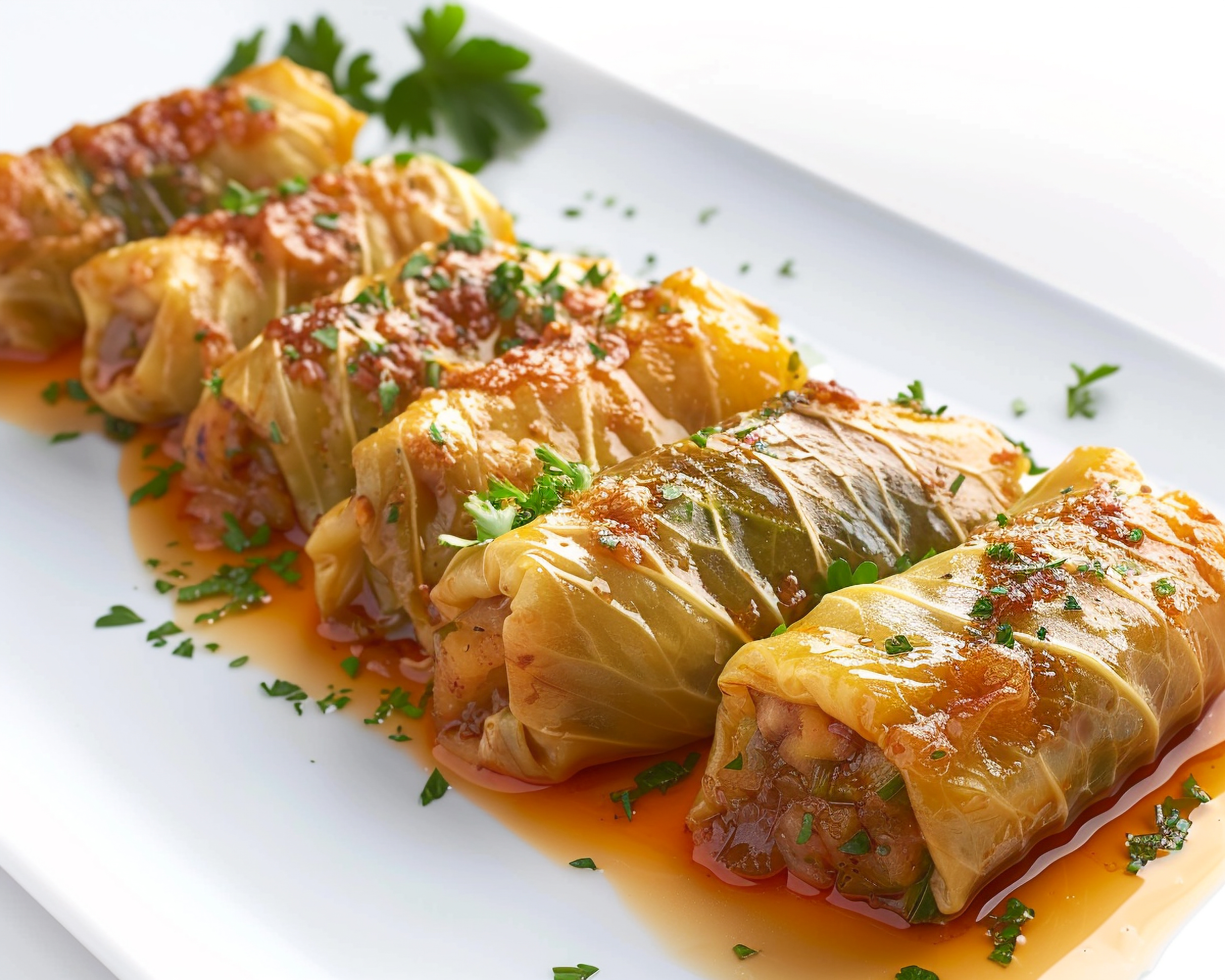
One of Romania’s most iconic dishes is sarmale — cabbage rolls stuffed with minced pork, rice, and herbs, simmered slowly in a tomato sauce. They are often served with mămăligă (cornmeal porridge) and sour cream.
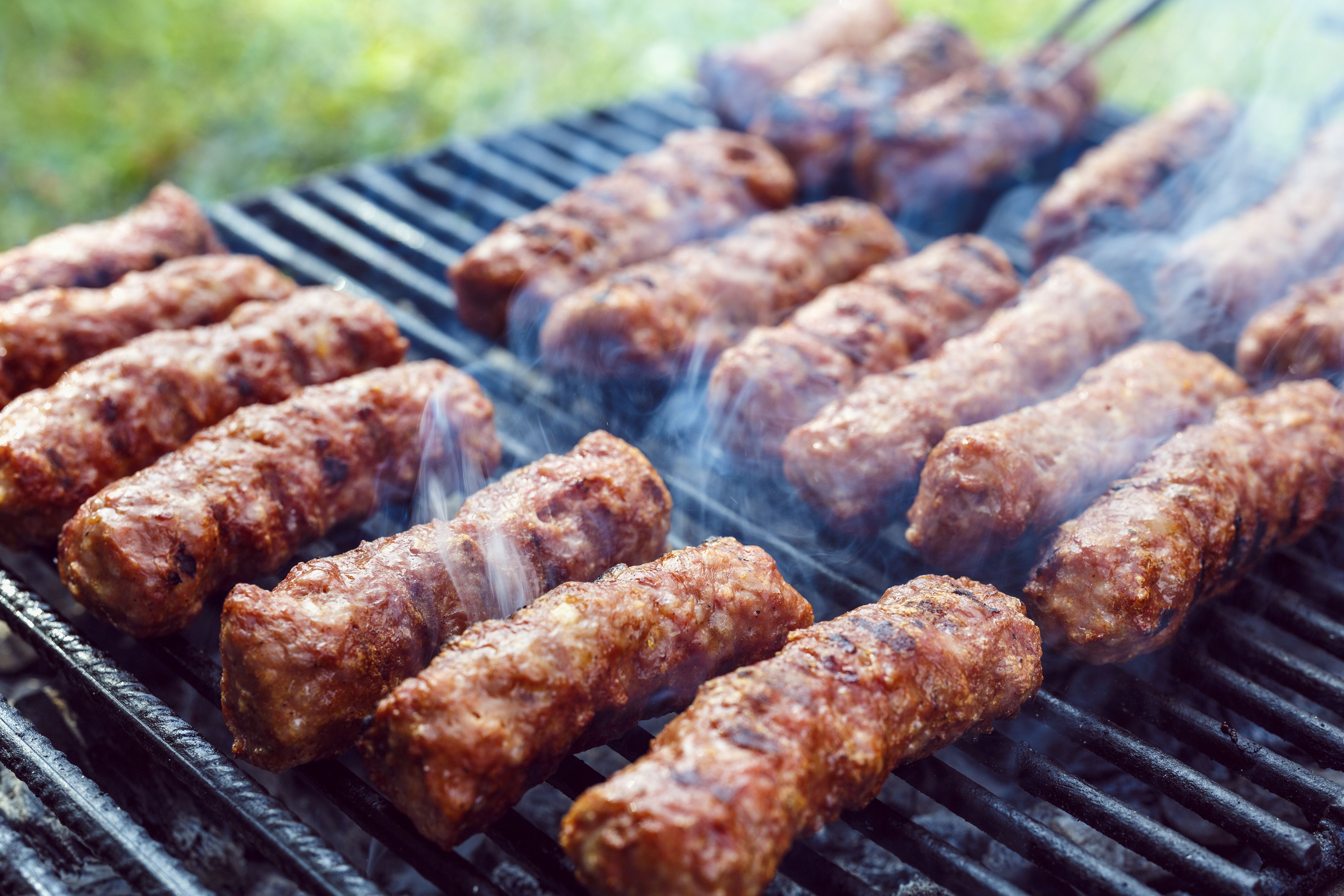
Another crowd favourite is mici (or “mititei”), small grilled sausages made from a mixture of beef, lamb, and pork seasoned with garlic and spices. These juicy bites are typically served with mustard and bread during barbecues and festivals.
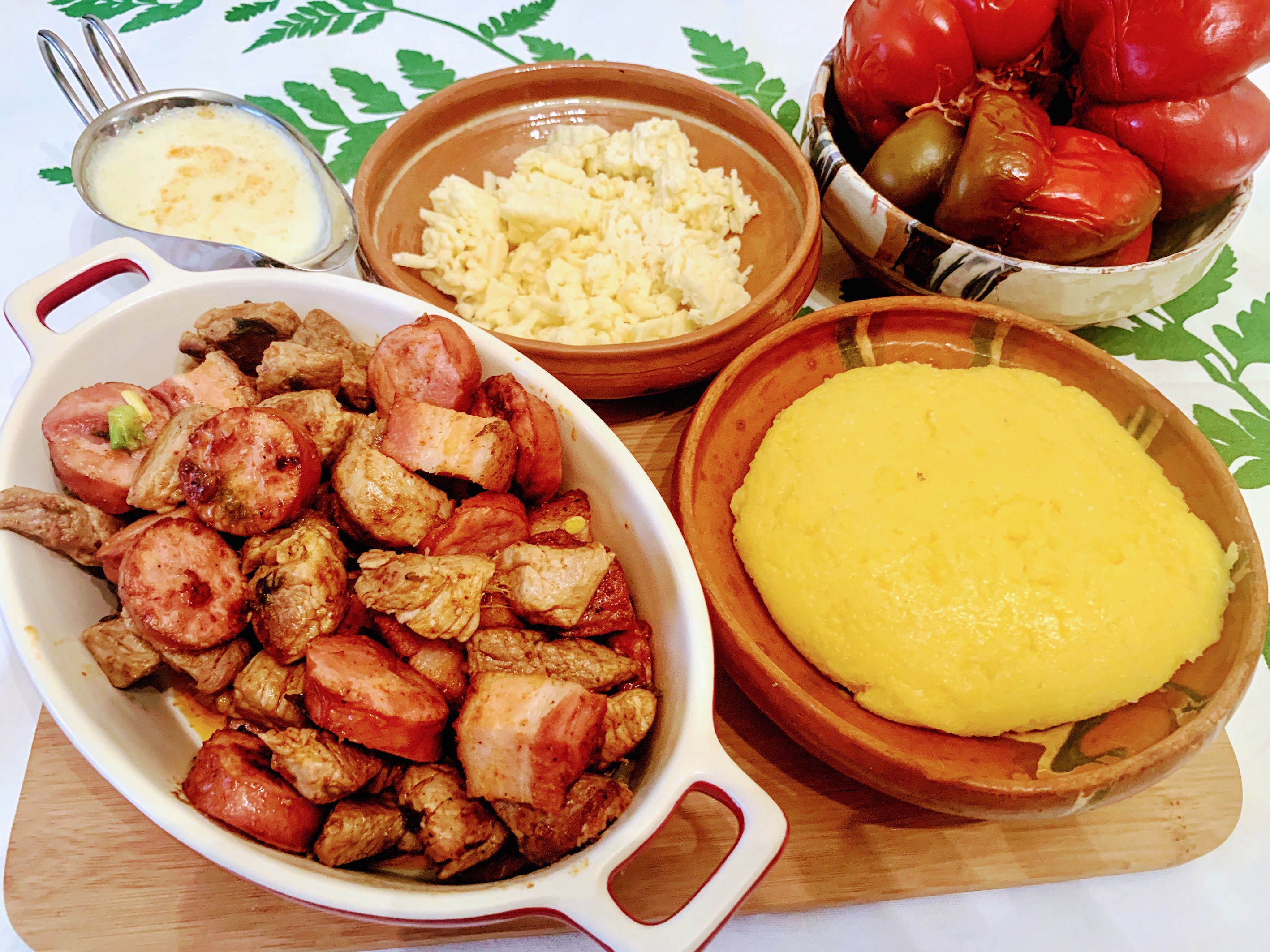
Another must-try is tochitură — a rustic pork stew cooked with onions, garlic, and tomato sauce, often topped with a fried egg and grated cheese, and served alongside mămăligă. It’s a traditional dish that perfectly captures Romania’s love for hearty and satisfying meals.
Soups and Stews
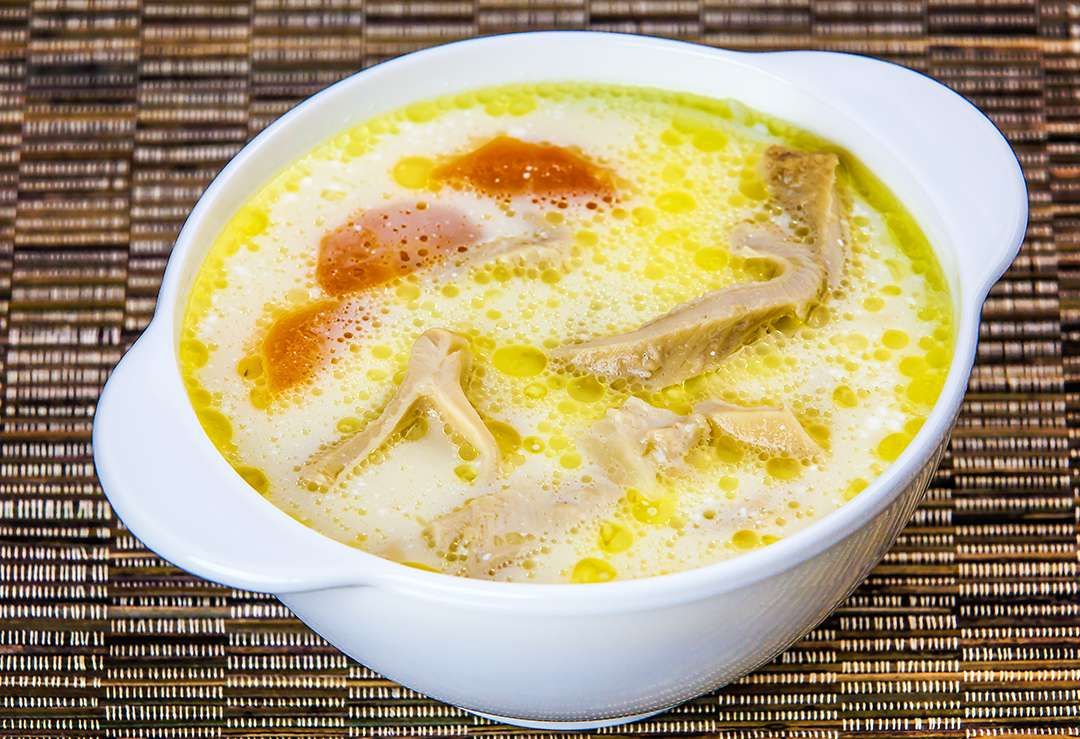
Soups and stews are at the heart of Romanian home cooking. One of the most famous is ciorbă de burtă (tripe soup), a creamy, slightly sour soup made from beef tripe, eggs, garlic, and vinegar — beloved for its rich flavour and comforting warmth.
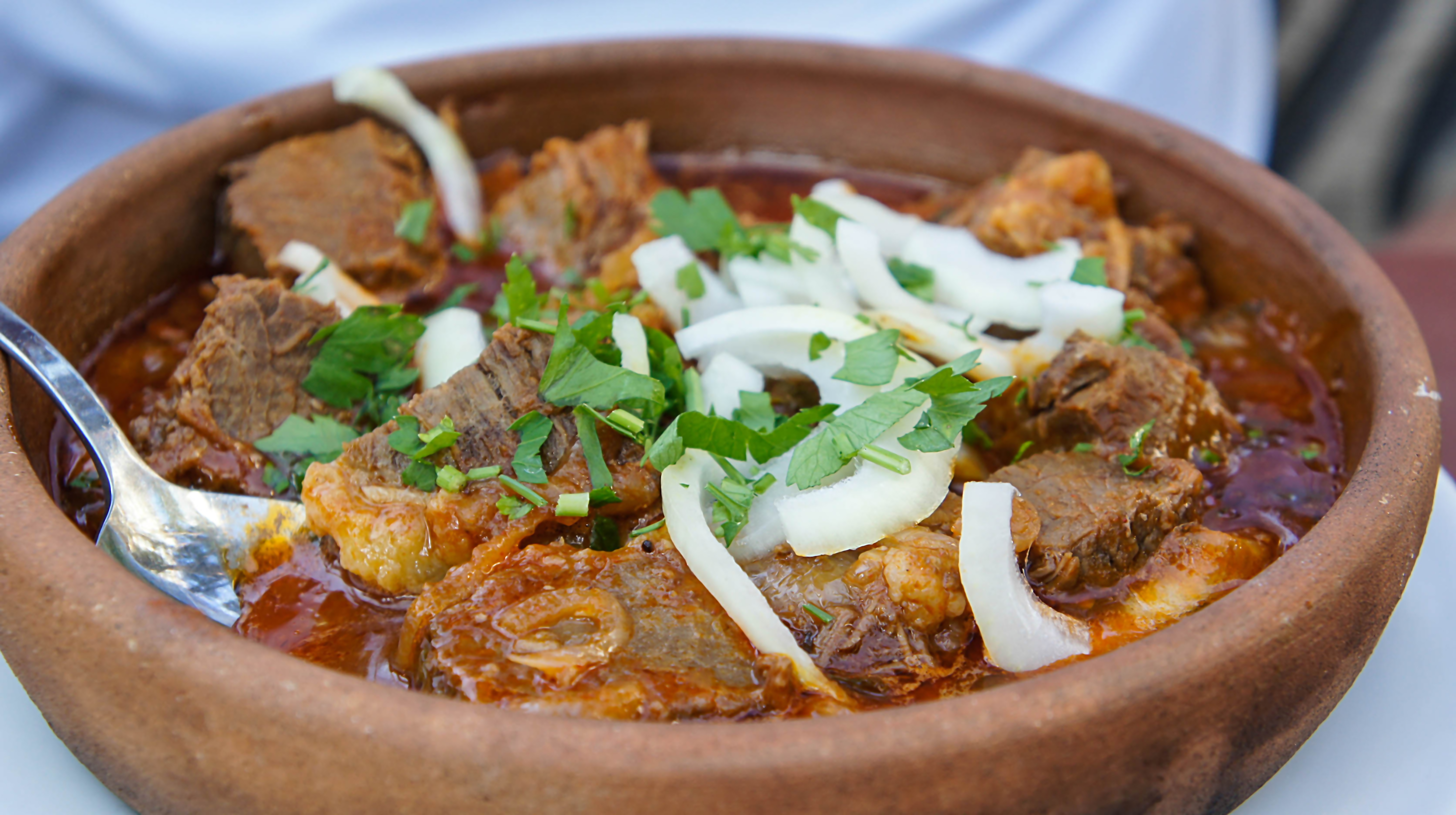
Anothertraditional favourite is tocăniță, a slow-cooked stew made with tender meat, onions, paprika, and tomatoes, served with mămăligă or bread.
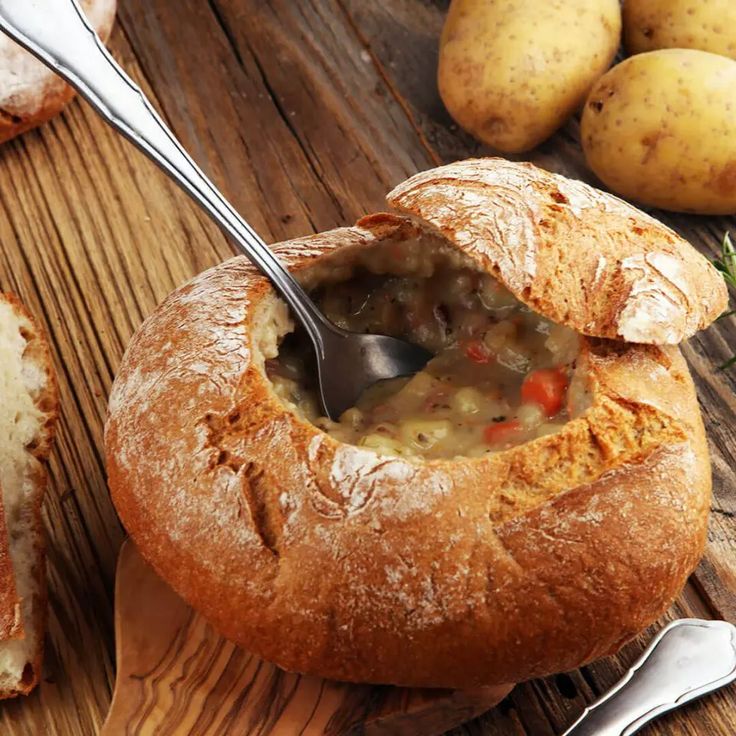
A truly special Romanian dish is ciorbă de fasole în pită — a hearty bean soup served inside a crusty bread bowl. The combination of smoked ham, beans, vegetables, and herbs gives it a deep, smoky taste, and the edible “bowl” makes it both rustic and fun to eat. It’s often served in mountain restaurants and traditional inns across the country.
Desserts and Pastries
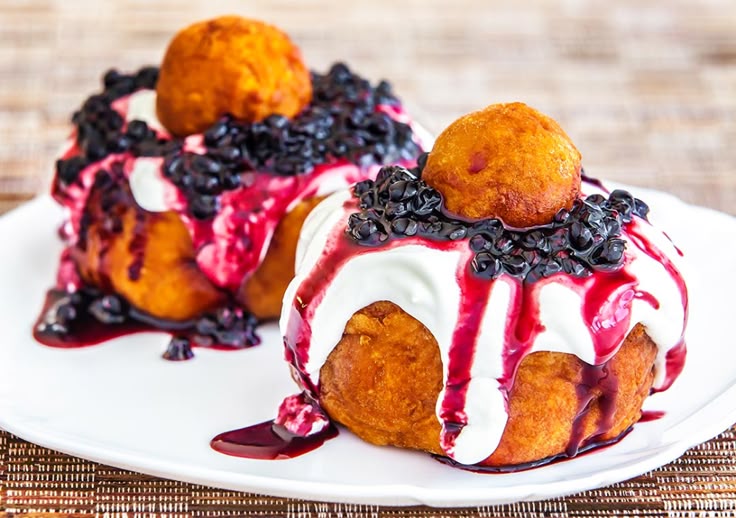
Romanian desserts are simple yet full of flavour, often made with local cheese, honey, nuts, or fruit. Papanasi are fried or boiled doughnuts made from sweet cheese and topped with sour cream and jam — soft inside and crispy on the outside.
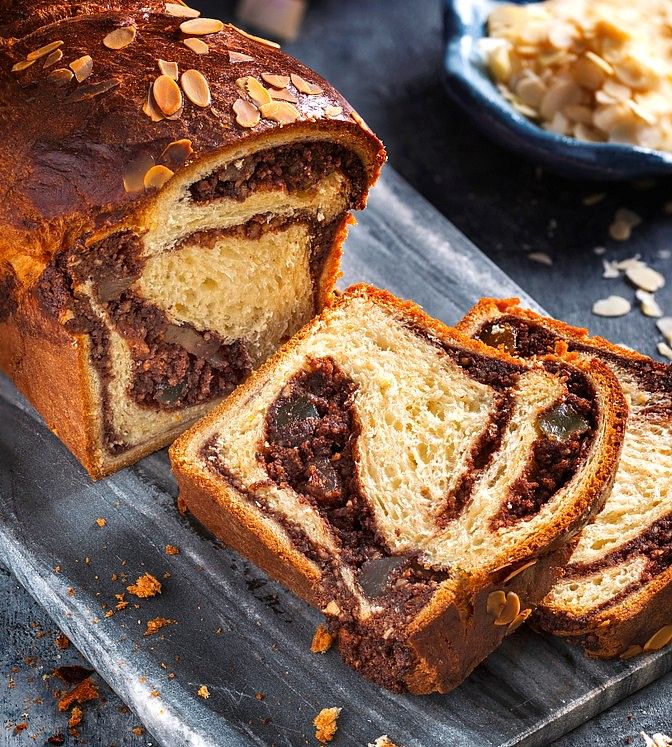
Another classic is cozonac, a sweet bread filled with cocoa, walnuts, and raisins, prepared during holidays. Visitors will also find many fruit pies and pastries that reflect the country’s agricultural roots.
The Romanian Dining Experience
Meals in Romania are not just about food — they are about connection, family, and hospitality. It’s common for guests to be offered more food than they can eat, as generosity is a sign of respect. Whether in a village home or a modern restaurant, the warmth of Romanian dining will make every visitor feel welcome and full. Traditional celebrations often feature large feasts with multiple courses, lively music, and dancing, showcasing the country’s rich culinary and cultural heritage.