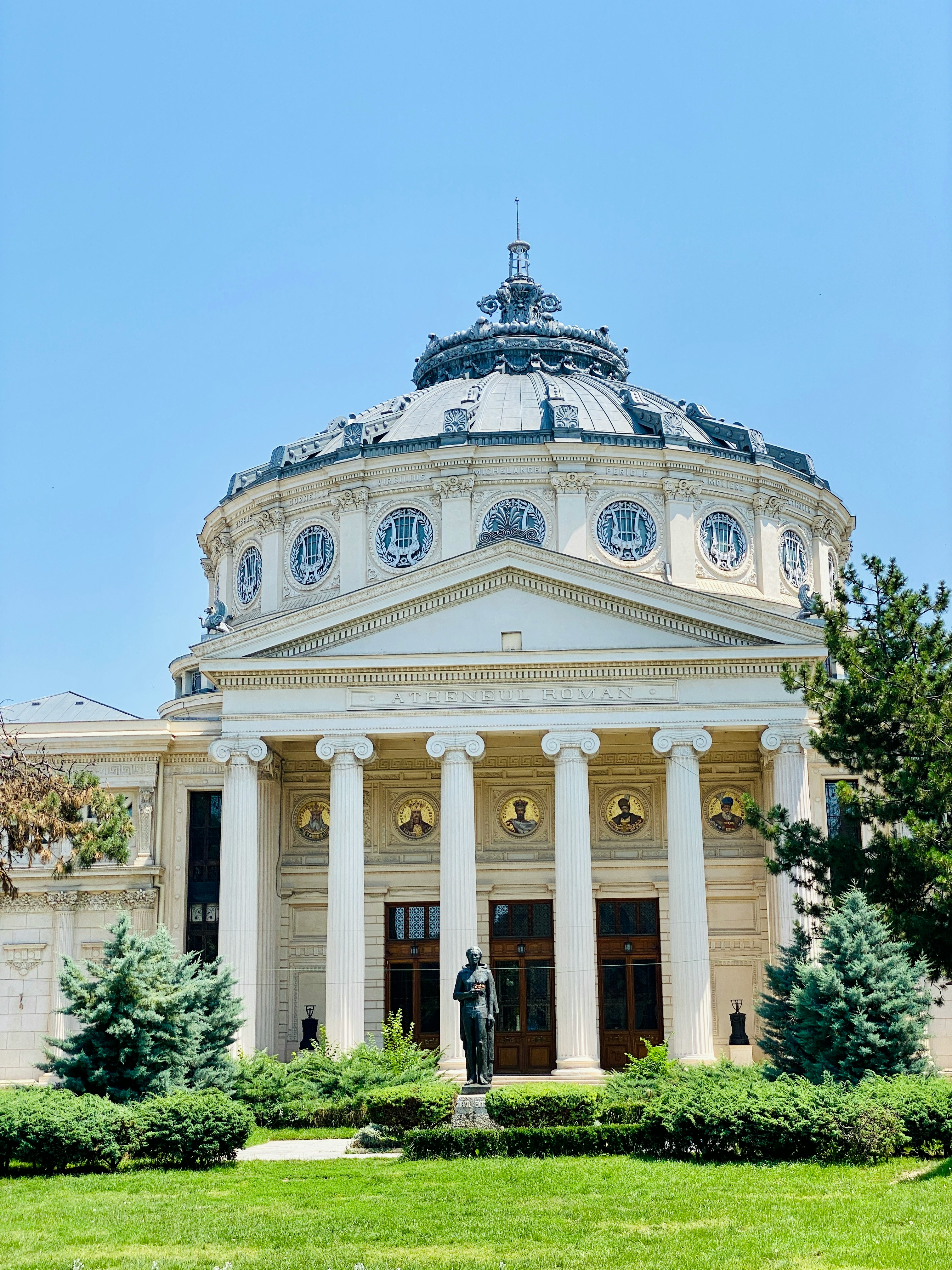
Romania’s Rich History and Culture
Romania’s identity has been shaped by thousands of years of history, a blend of Latin roots, Dacian courage, and influences from Eastern and Western Europe. From ancient fortresses to vibrant folk traditions, the country proudly preserves its cultural heritage while embracing modern life.
Ancient Roots and Dacian Heritage
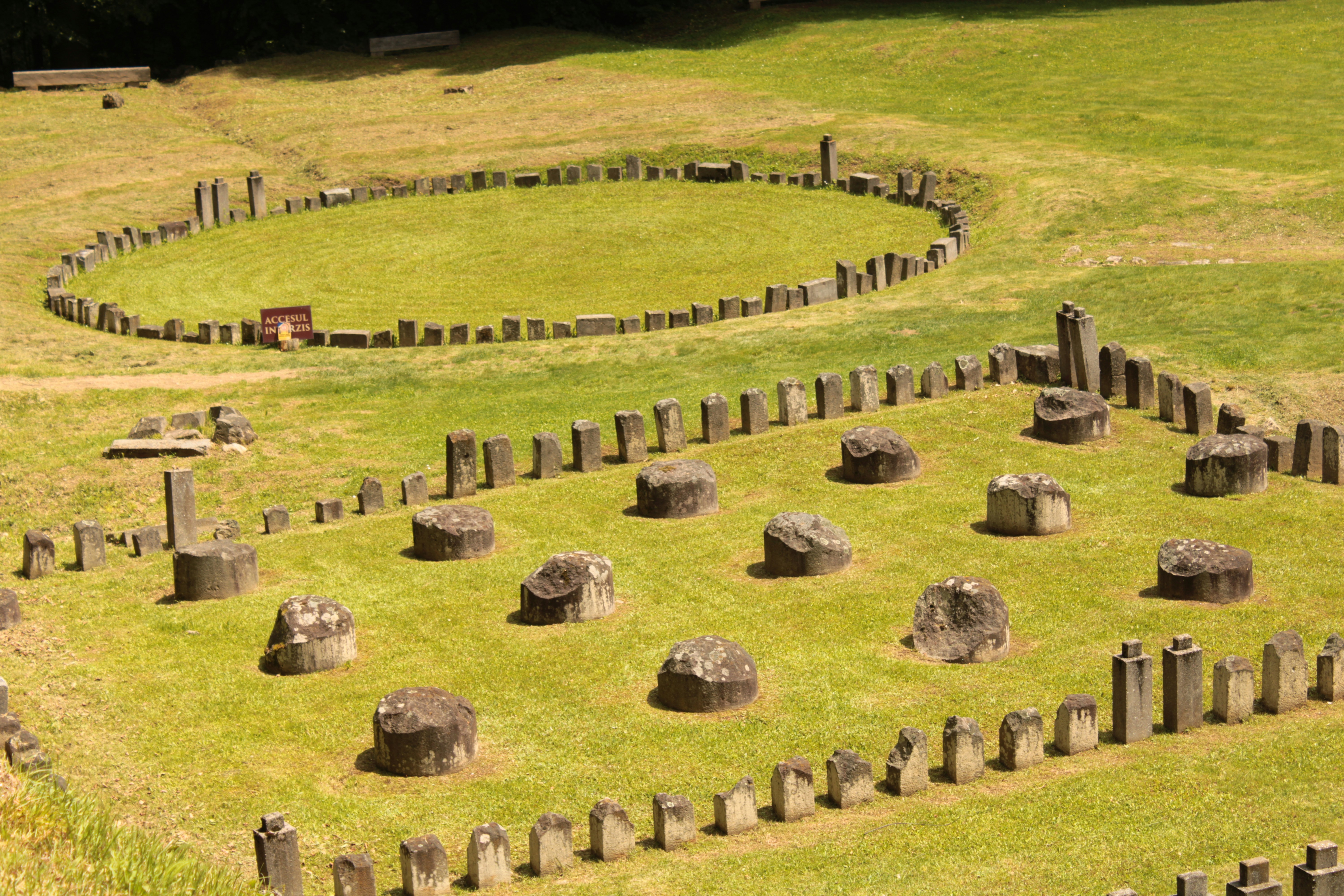
Long before Romania existed as a modern state, the land was home to the Dacians, a powerful ancient people known for their bravery and mountain fortresses. The Romans conquered Dacia in 106 AD, leaving behind roads, cities, and the Latin language — the foundation of modern Romanian. You can still visit the remains of Sarmizegetusa Regia, the former Dacian capital and a UNESCO World Heritage Site.
Medieval Fortresses and Castles
During the Middle Ages, Romania’s regions — Wallachia, Moldavia, and Transylvania — developed their own rulers, cultures, and defensive structures. Visitors can explore stunning medieval landmarks such as Corvin Castle in Hunedoara, Sighișoara Citadel, and the fortified churches of Transylvania. Sighișoara, a UNESCO World Heritage Site, is one of Europe’s best-preserved inhabited medieval towns and the birthplace of Vlad the Impaler, the figure who inspired the Dracula legend.
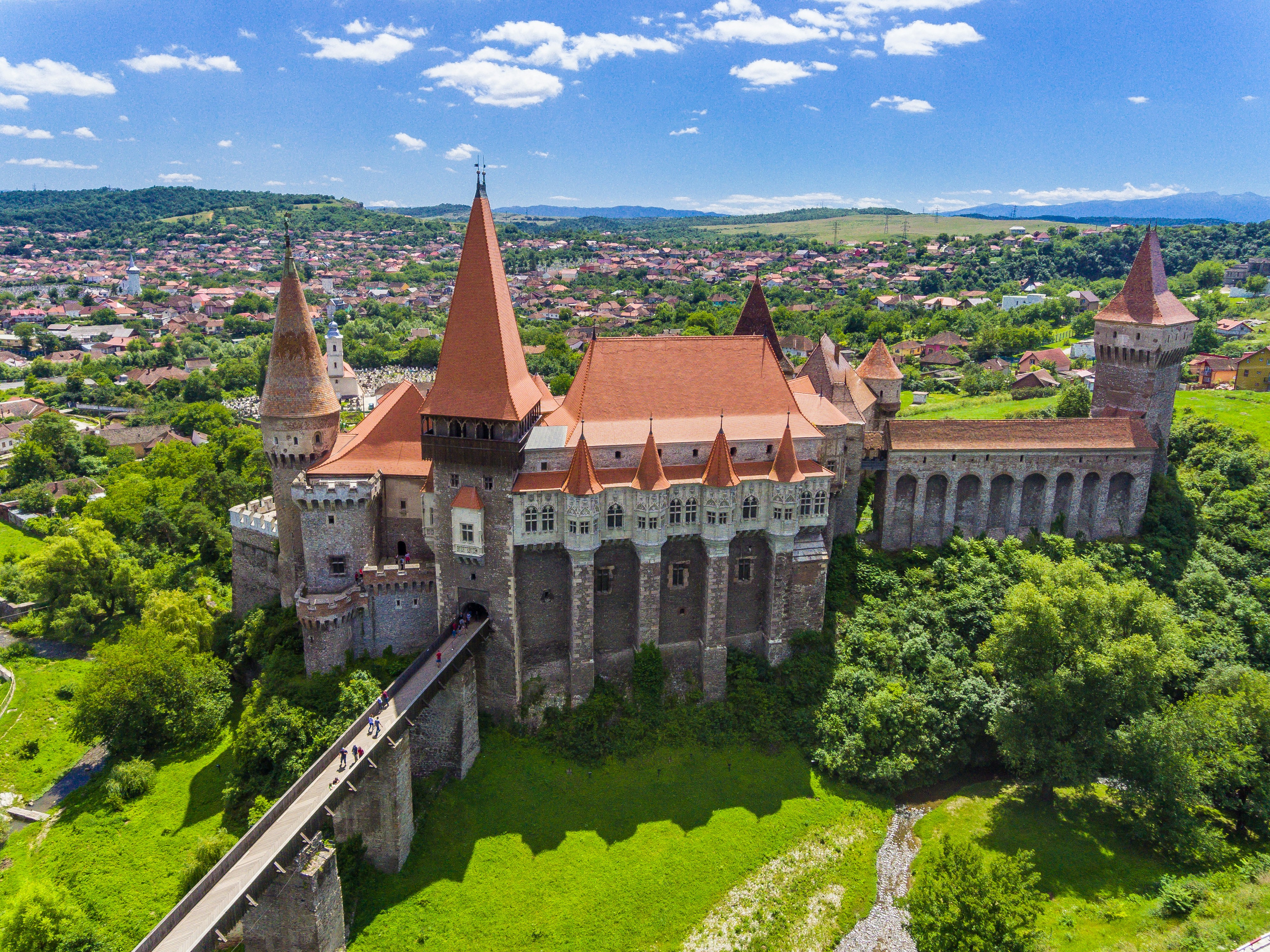
Corvin Castle
Corvin Castle is an astonishingly beautiful Gothic castle, also known as Hunyadi Castle. fortress in Hunedoara. It was built in the 15th century by John Hunyadi, it is one of the largest castles in Europe and a prime example of medieval architecture. The castle features imposing towers, A drawbridge, a courtyard that would take viewers centuries into the past, It has served as a royal residence, military fortress, and even served as a prison throughout its history. Nowadays, Corvin Castle is a very popular tourist destination, invites with its rich history. stunning architecture, and various cultural events.
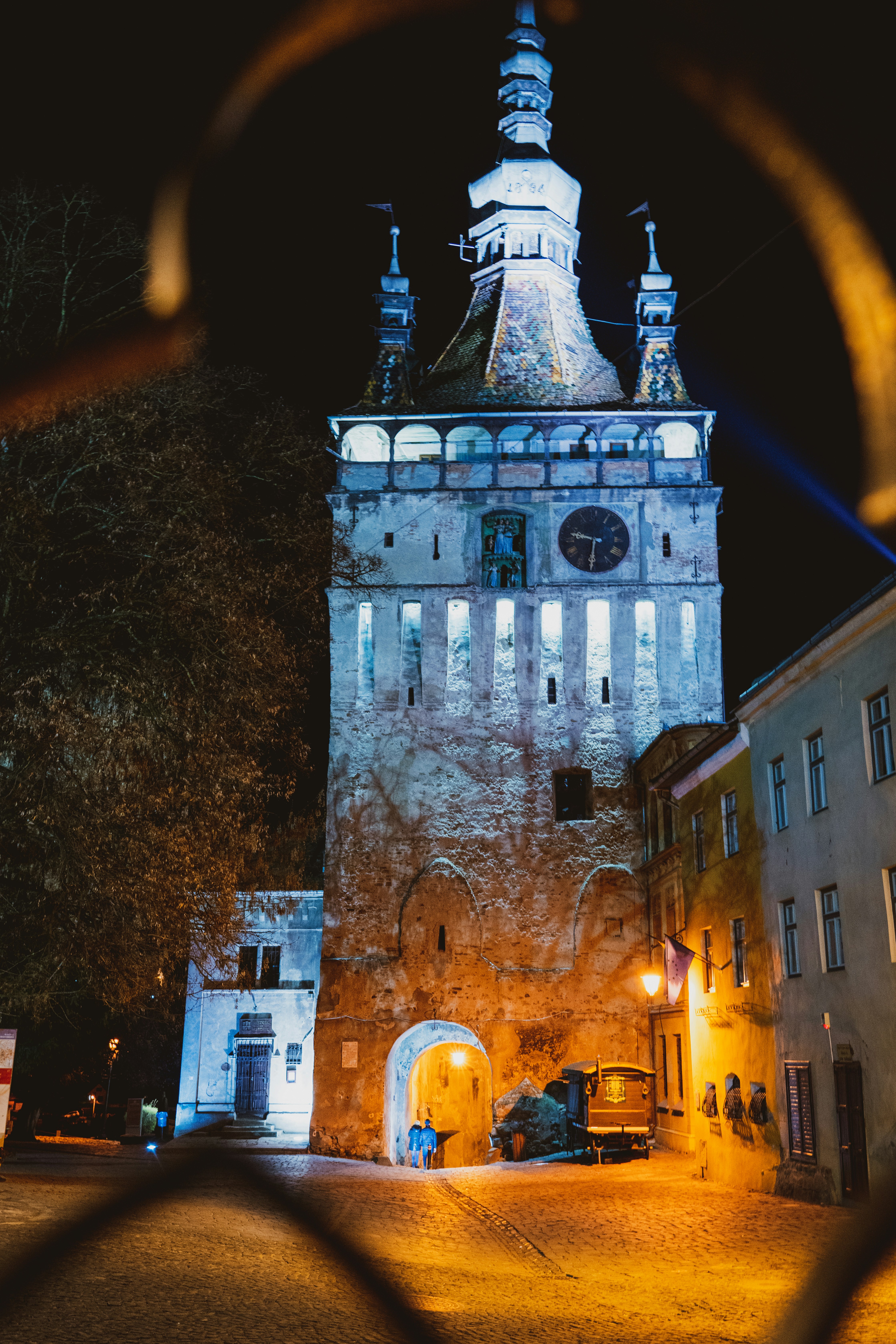
Sighișoara Citadel
Sighisoara Citadel is a medieval fortress wonderfully preserved. is located in the town of Sighișoara, Transylvania. Founded in the 12th It was built in the fourteenth century by German craftsmen and merchants. The citadel is a UNESCO World Heritage Site and one of the best-preserved inhabited medieval European towns. The citadel is made up of cobblestone streets, colorful houses, and historic landmarks like the Clock Tower, which offers a great view of the city. panoramic views of the town. Sighișoara is also famous as the birthplace of Vlad the Impaler, commonly known as the original Dracula by: Bram Stoker's Dracula. Visitors to Sighișoara can explore its rich History, vivid culture, and charming atmosphere.
Folk Traditions and Crafts
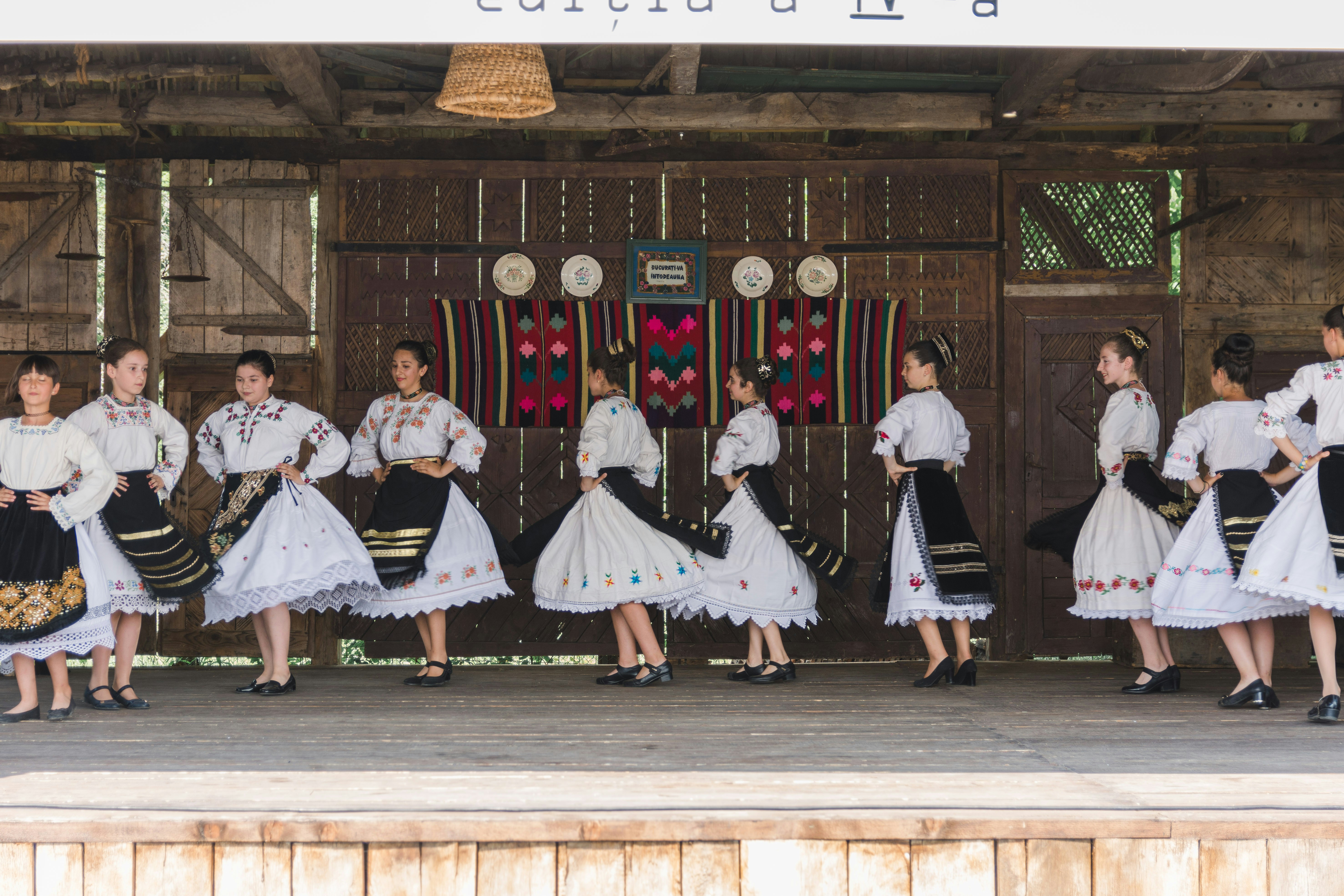
Romania's folk traditions are alive with the many faces of its past, passed down through generations in rural communities. Across the country, costumes, songs, and dances have continued to unify people, during festivals and other celebrations. Each region has its own distinct patterns, costumes, and rituals reflecting the connection of the people the social-natural and community life.
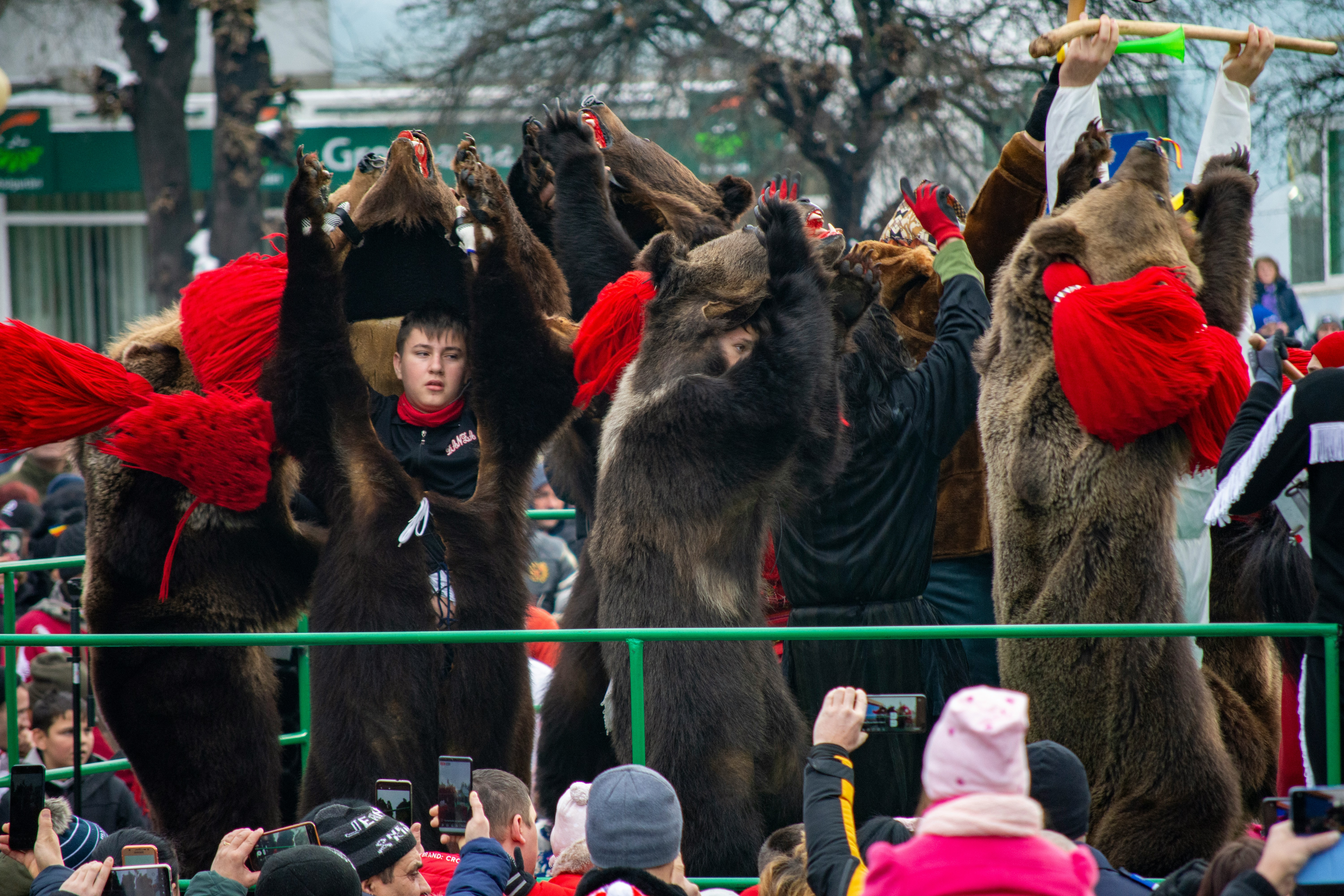
Handcrafted items such as woven carpets, painted eggs, pottery, and wooden carvings show the artistry and skill of Romanian craftspeople. Festivals like the Bear Dance-an old tradition ment to chase away evis spirits befor New Year or Dragobete — Romanian Valentine’s Day — showcase the country’s vibrant cultural heritage.
Modern Romania
Romania did not become a unified country until 1918, after centuries of regional separation. Nowadays it is a democratic country and also a member of the European Union, proud of its past but focused on the future. The The combination of history, art, and modern development makes Romania a this unique cultural tourism destination.